Frozen pipes: the quiet winter emergency
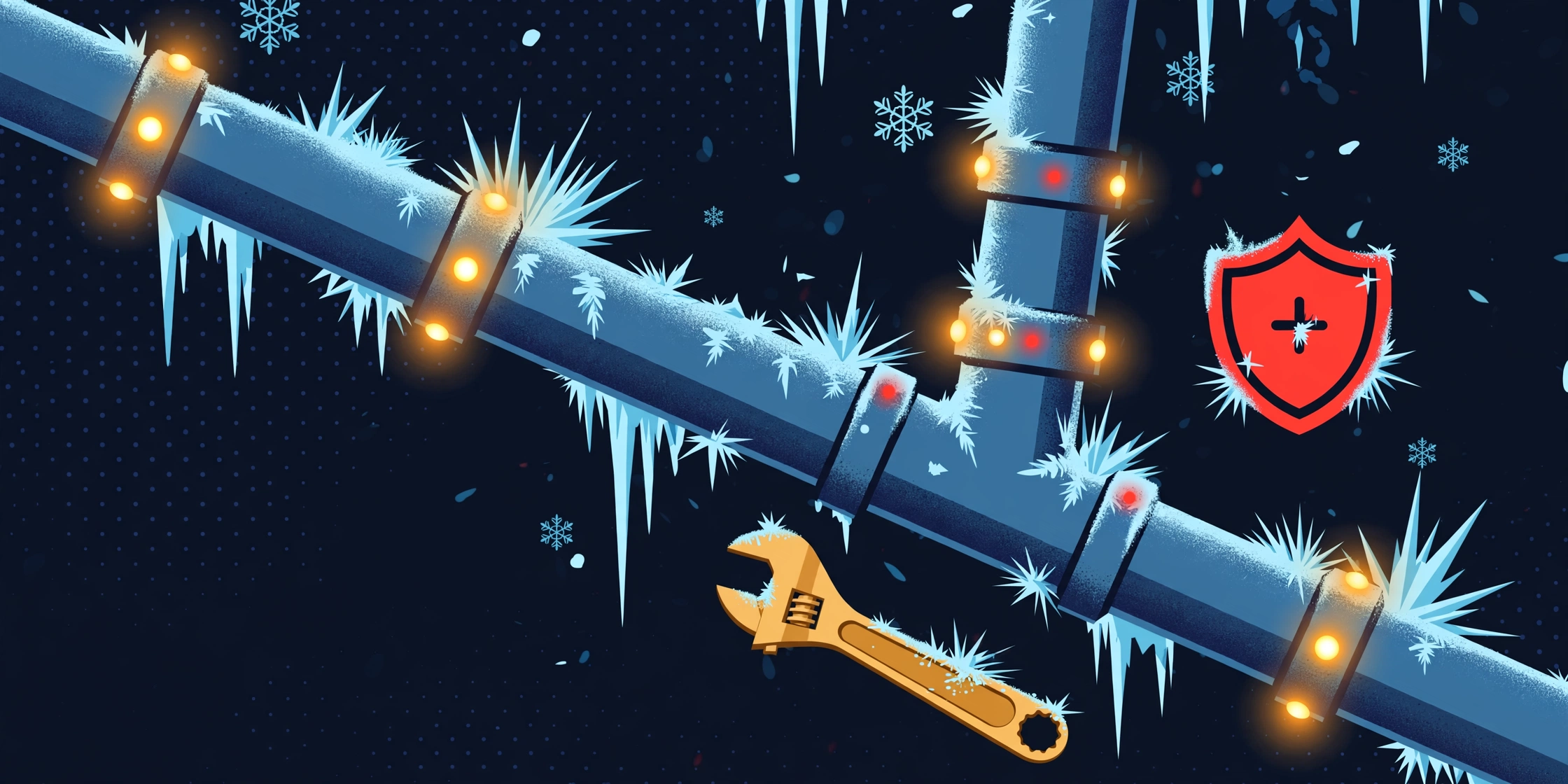
Every winter, the same quiet disaster plays out in homes across the world: a cold snap freezes the water inside household pipes, and by the time the thaw arrives the damage is already done. Water expands as it freezes, and that expansion puts tremendous pressure on whatever is holding it — the pipe. The American Red Cross warns this pressure can break pipes — and the split rarely appears where you expect: pressure builds between the ice and a closed tap, so the weak spot can fail some distance from the frozen section.
The flood, in most cases, does not arrive while the water is frozen. It arrives afterwards. Thames Water explains that ice cracks and splits form during the freeze, but water only finds those cracks to escape as the ice thaws — which is why the flood so often appears on the first mild day after a cold spell. The scale can be startling: the state of Michigan estimates that even an eighth-inch crack in a pipe can leak up to 250 gallons of water a day.
Where the frost strikes first
Not every pipe faces the same risk. The Red Cross points to a pattern: the pipes that freeze first are the ones in the coldest, least heated parts of the home:
- Pipes along exterior walls — especially the wall-side pipes under kitchen and bathroom sinks, which sit against the coldest surface in the house.
- Garages, attics and basements — unheated or intermittently heated spaces where temperatures can fall far below the rest of the home.
- Pipes leading to outside taps and garden supplies — Thames Water flags these as particularly at risk, including uninsulated pipes next to cold internal walls.
- Inside sink cabinets — closed cabinet doors keep warm room air away from the plumbing, leaving the pipes inside exposed to the wall's chill.
Six steps before the first hard freeze
Prevention comes down to three things: insulation, warmth and water movement. None of these steps is expensive; most cost nothing at all:
- Insulate exposed pipework. Fit inexpensive foam sleeves — known in some countries as lagging — over exposed pipes in unheated spaces and on outside taps. Thames Water lists this among the most effective winter preparations.
- Keep the heat steady. The Red Cross advises keeping the thermostat at the same temperature day and night during cold spells, instead of turning it down at night. If you go away, leave the heating on — the Red Cross advises setting it no lower than 55°F so the structure never freezes through.
- Let vulnerable taps drip. Letting cold water run at a trickle from faucets served by exposed pipes keeps water moving, which the Red Cross advises helps prevent freezing.
- Open cabinet doors. Opening kitchen and bathroom cabinet doors lets warmer room air circulate around the plumbing. Move any cleaning chemicals out of reach of children when you do this.
- Close garage doors and drain outside lines. Keep garage doors shut if water supply lines run through the garage or through walls beside it. Disconnect garden hoses and shut off and drain the line to outside taps before the freeze arrives.
- Find your main stop valve now. Know exactly where the valve that shuts off your home's water is — Thames Water calls this the most damage-limiting fact in a burst-pipe emergency — and make sure everyone in the household knows too.
One caution on heat: never use a gas oven or stove to warm a room, and never seal a room tight around a fuel burner — see our gas heater and geyser safety guide for the carbon monoxide risk. Keep the home warm and ventilated together; our winter ventilation guide explains how.
Thawing a frozen pipe safely
A frozen pipe usually announces itself: you turn on a tap and only a trickle comes out, or nothing at all. Thames Water adds another tell — a light coat of frost on the outside of the pipe. The thaw must be slow and controlled:
- Shut off the stop valve first, then turn the affected tap on so water has somewhere to escape as the ice melts.
- Remove insulation and clear the area. Take off pipe wrapping and move furniture and valuables that you want to keep dry out of the splash zone, in case the pipe has already cracked.
- Warm it gradually from the tap end. Apply gentle heat working back from the tap: a hair dryer on low, an electric heating pad around the pipe, or towels soaked in hot water. Thames Water also suggests a hot water bottle wrapped in a towel. Keep electrical devices well clear of dripping water.
- Never use an open flame. The Red Cross is explicit: no blowtorches, no kerosene or propane heaters, no charcoal stoves. If you use a portable heater to warm a pipe, keep it well clear of anything flammable — our winter fire safety checklist sets out the one-metre rule.
- Keep warming until full flow returns, then check every other tap in the home. If one pipe froze, others may have too.
If you cannot locate, reach or thaw the frozen section, call a licensed plumber — the Red Cross's clear next step, rather than a reason to improvise.
If a pipe has already burst
Most bursts are discovered as the thaw begins: a stain spreading across a ceiling, water under a sink, or a pipe that visibly sprays. Speed matters more than anything else:
- Shut off the water at the stop valve immediately — the single action that limits the damage, and the reason to know the valve's location in advance.
- Leave the water off until the pipe is repaired. Thames Water recommends checking for leaks with a dry cloth run along the thawed pipe — any wet patch means water is still escaping — and calling a plumber if it is.
- Move belongings, rugs and furniture out of the water's path; if water is near electrical fittings, avoid touching the area until it is made safe.
- Call a licensed plumber and check your insurance. Burst-pipe repair on private property is typically the homeowner's responsibility, so having a qualified plumber's number to hand and confirming your home insurance covers leaking pipes are sensible steps, ideally taken before winter.
What our records show, and what they miss
On our live trending page, winter's signature is clear: as temperatures fall, reports of residential fires, floods and cold-weather incidents climb. A burst pipe often shows up there as a flood — but only when the flooding is bad enough to make the news.
What the records miss is the far larger, quieter toll: slow leaks discovered days later, ruined ceilings and warped floors that never trigger an emergency call, damage found after a trip with the heating off. Those cases never enter any database. This guide exists to shrink that invisible number — and our articles archive holds the companion guides for the rest of winter's indoor risks.
The short version
- Ice expands — that's the danger. Frozen water puts tremendous pressure on pipes and splits them; the leak usually appears at the thaw, not during the freeze.
- Insulate and keep heat steady. Foam insulation on exposed pipes, a constant thermostat day and night, a trickle from vulnerable taps, open cabinet doors — all cheap, all proven.
- Thaw slowly from the tap end, with gentle heat and never an open flame; keep the tap open and shut off the stop valve first.
- If it bursts, kill the water first. Stop valve off, water stays off until a licensed plumber repairs the pipe; check your insurance covers pipe leaks.
- Know three things before winter: where your stop valve is, a qualified plumber's number, and which of your pipes runs coldest.