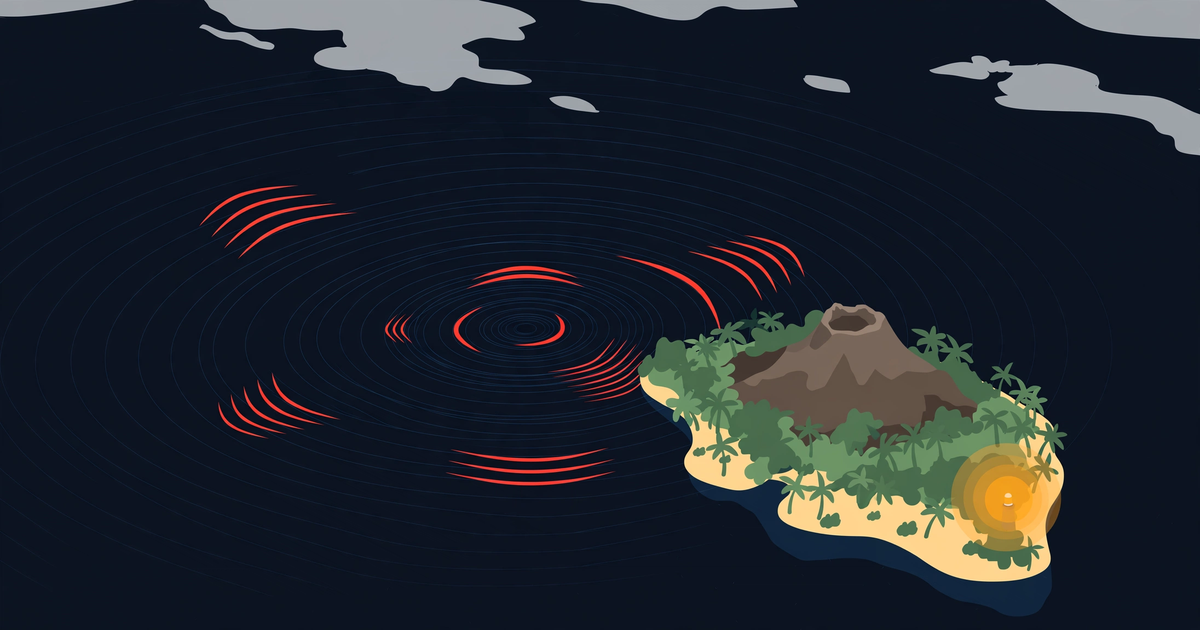
Heavy rain late on Monday 24 November 2026 pushed the Ciseureuh River over its banks and into an unauthorised gold mine shaft in Bogor regency, West Java. By Tuesday evening, at least nine miners were dead and 17 more were still believed trapped underground, according to Indonesia's National Search and Rescue Agency (BASARNAS). The Bogor gold mine flood is the second major industrial accident in Indonesia in less than a week — and it happened in a mine that had no licence to operate.
Eleven miners escaped. Twenty-six were reported missing when the water came in, The Jakarta Post reported, and the toll moved all day as rescuers worked: six dead and 20 trapped in the morning, nine dead and 17 trapped by the evening. The two sets of figures still add up to the same 26 people, so treat them as the latest confirmed count, not a final one. Rescue work was still going on when this article was published, and the numbers may change again.
How the Bogor gold mine flood happened
The rain came first. Heavy rain fell across the hills above Bogor late on Monday, and the Ciseureuh River rose fast enough to spill into the workings. Water began entering the mine shafts at about 11 p.m. on Monday, The Jakarta Post reported. There were two shafts, and the men inside had almost no warning: a river breaking into a mine does not rise like a tide, it arrives.
The shafts run about 100 metres deep. That depth is what turned a flood into a trap. Once water is pouring down a shaft that deep, the men at the bottom cannot climb out faster than it rises, and the water brings mud and debris with it that blocks the way back. Eleven miners got out. The rest were caught below. Our flood safety guide explains why even shallow moving water is enough to knock a person down and carry them away — in a shaft, there is nowhere to be carried except down.
It is worth saying plainly what a 100-metre shaft means for the people trying to help. Rescuers cannot simply walk in. They have to pump the water out faster than it comes in, keep the shaft from collapsing further, and work in the dark, in mud, with the river still running overhead. Bogor Regent Rudy Susmanto said teams had begun pumping water out of the shafts, but rain was hampering the work and the weather was getting worse.
The rescue, and why the numbers kept moving
About 325 rescuers were on site on Tuesday, according to BASARNAS, working alongside police and local disaster teams. The Bogor disaster mitigation agency, led by Muhammad Adam Hamdani, was coordinating the local response, and BASARNAS chief Desiana Kartika Bahari was overseeing the national search and rescue effort. Working in a flooded shaft is a confined-space rescue, and those carry their own risks for the rescuers too.
The death toll rose through the day, from six in the morning to nine by the evening, while the number believed trapped fell from 20 to 17. That is not a contradiction. It is what happens when bodies are recovered from a flooded shaft: a person counted as trapped in the morning is counted as dead in the evening. It also means the evening figures — nine dead, 17 trapped — are the ones to use, with the warning that they are already hours old.
One detail stands out. West Java police spokesperson Hendra Rochmawan said police were told about the flooding roughly 16 hours after it happened — because, in the police account, the mine was operating illegally and nobody in charge wanted the authorities to know. Sixteen hours is a long time in a flooded mine: the difference between a rescue and a recovery.
An unauthorised mine, and a familiar pattern
The mine had no licence. PT Antam, the state mining company, said its nearby Pongkor gold unit had nothing to do with the site and that the flooded mine was unauthorised. That matters, because it explains why nobody can say with certainty how many people were underground when the water came in, or what safety measures, if any, existed.
Illegal gold mining is not new in West Java. Small, unlicensed workings open where gold is known to be, often in steep, rain-soaked hills. They run without the inspections, ventilation, drainage or emergency plans a licensed mine must have. When something goes wrong, the first call is not to the rescue services. In Bogor, that call came 16 hours late.
The Serang factory fire three days earlier — three dead and 36 missing at a candy factory, which we covered in our report on the Indonesia factory fire in Serang — was a different kind of accident, but it sits in the same week and the same story: workplaces operating outside the safety net, and workers paying for it.
What our records show, and what they miss
Our records are good at the shape of an event like this and bad at its edges. The pattern — heavy rain, a river, an unlicensed shaft, a delayed alarm — shows up again and again in the incident data, in Indonesia and elsewhere. What the records miss is the part that matters most to the families: the names of the men underground, which officials have not published, and the exact number of people who were in the shafts, which nobody can confirm because the mine kept no proper books. That is the limit of how we track incidents: we can record what officials confirm, and no more.
That gap is not an accident of reporting. It is built into illegal mining. A licensed mine has a roster and a drainage plan; an unlicensed one has whoever turned up that day, a river and a secret. So the official toll — nine dead, 17 trapped — should be read as the best count officials can stand behind, not as a complete count of everyone affected. Our live page lists today's incidents as they are confirmed, and this event will move as the rescue does.
There is a second gap. The rescue is still under way, and the weather is still bad. If the rain keeps falling, pumping may not keep up. Any figure published today is a snapshot, and this article will be out of date the moment the next one comes. That is normal for a live rescue, and it is why the attribution matters: every number here comes from BASARNAS, the police, or The Jakarta Post's reporting of the official account.
The short version
- Heavy rain late on Monday 24 November sent the Ciseureuh River into an unauthorised gold mine shaft in Bogor regency, West Java.
- At least nine miners are dead and 17 are still believed trapped, according to BASARNAS; 11 miners escaped.
- About 325 rescuers are pumping water from shafts around 100 metres deep, with rain hampering the work.
- Police were told about 16 hours after the flooding, because the mine was operating illegally, according to West Java police.
- PT Antam said its nearby Pongkor unit was unrelated and the flooded mine was unauthorised; no victim names have been published by officials.