An indonesia factory fire at a candy factory in Serang regency, Banten, killed at least three people on Saturday 21 November 2026, with at least 36 workers still missing on Sunday, according to Reuters reporting of Indonesian officials. Fifteen people survived, according to Reuters, and four were taken to medical facilities. The cause has not been announced, according to Reuters, and rescuers were still working through smouldering sections on Sunday.
That is the confirmed core. The missing count is where the agencies differ.
What happened in the indonesia factory fire?
The fire broke out on Saturday at the Fonusa Agung Mulia factory in Cikande, Serang regency, according to Reuters. AFP placed the plant around 50 kilometres (31 miles) from Jakarta and described it as a confectionery and sugar product manufacturer. Reuters said the blaze began on Saturday evening; AFP said Saturday afternoon.
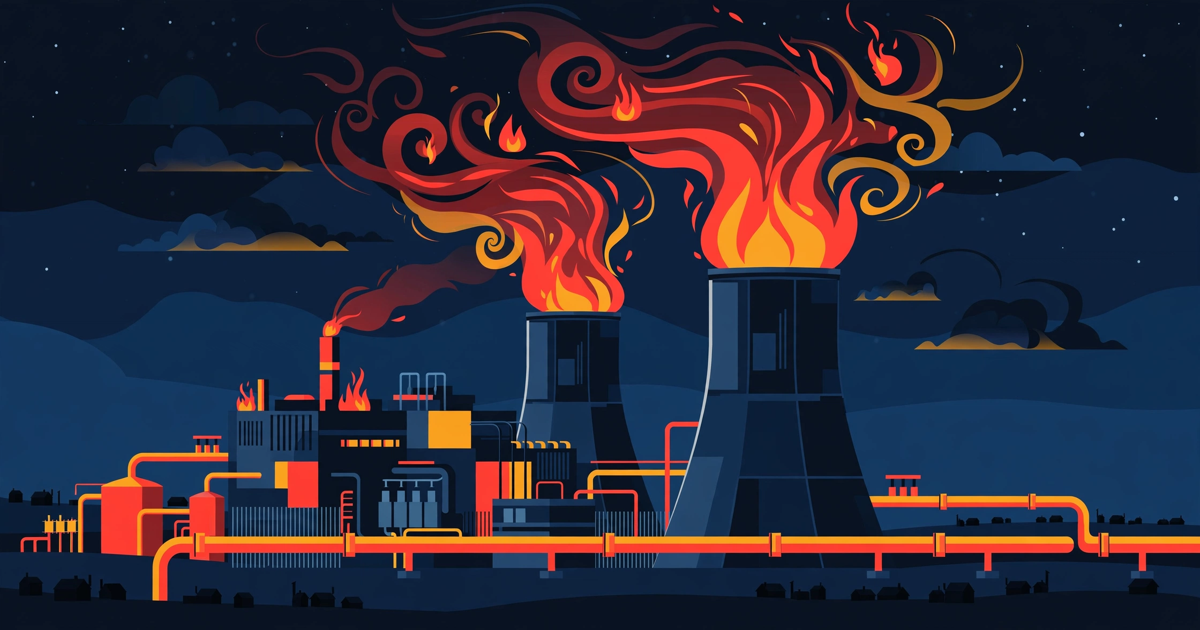
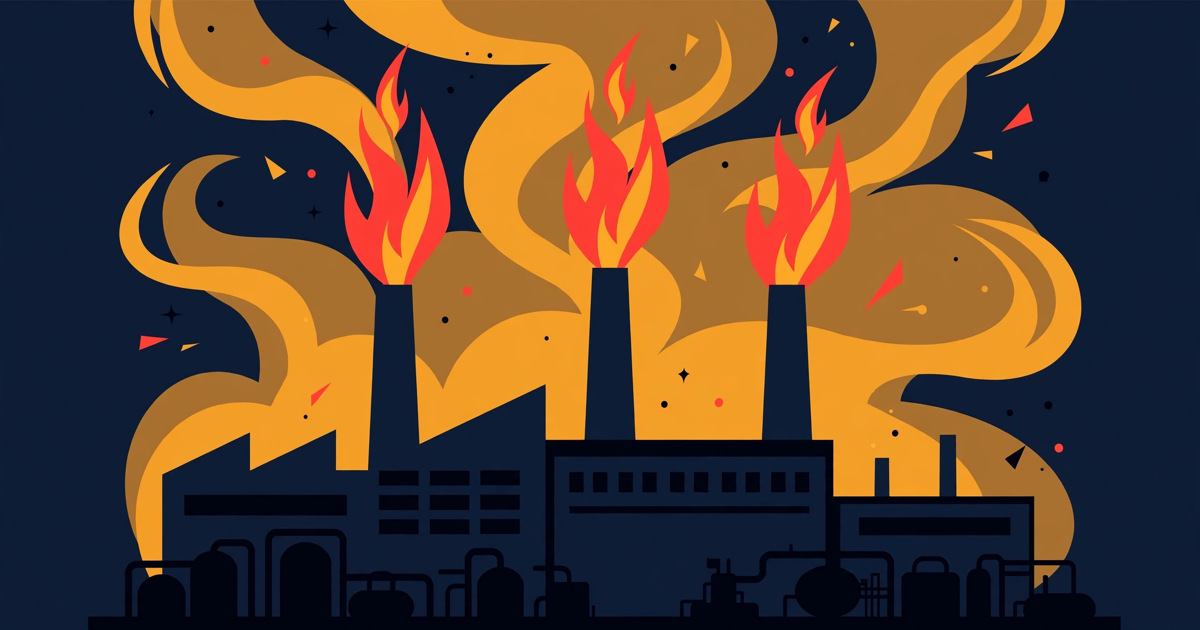
Overnight television images showed parts of the factory on fire with sections of the roof collapsed, according to AFP. By Sunday, flames and hotspots were still burning in parts of the building, according to Reuters, with cooling operations under way while search teams combed the sections where victims were believed to be trapped.
Survivors said the fire started in a cooling unit on the third floor, according to AP reporting. That is an account from people who got out, not an official finding. Authorities had not announced a cause, according to Reuters, and the local disaster agency said the cause was still under investigation, according to AFP.
How many people were killed, injured or missing?
At least three people were killed, according to Reuters and AFP. Reuters put the injured at four, with 15 survivors in total and four of those taken to medical facilities. Those figures came from Indonesian officials on Sunday, according to Reuters.
The missing count needs care. Reuters reported 36 workers missing. AFP reported 39 still being searched for, quoting rescue official Rizky Dwianto. Where sources disagree we use the lower figure: at least 36 missing, with AFP reporting 39.
No victim names are given here, because the sources checked carried no official identifications meeting our standard. In our coverage of the Basra power station explosion and the Glace Bay explosion, the same rule applied: a number without a name from officials stays a number.
What is the rescue operation doing now?
Search teams were combing sections where victims were believed to be trapped, according to Reuters. Rescue official Rizky Dwianto said the joint team was making maximum effort while prioritising the safety of personnel in the field, according to AFP. The National Search and Rescue Agency said 15 people were rescued alive, including four injured workers, according to AP reporting, with local firefighters and the Indonesian Red Cross alongside.
Cooling comes before searching in the hottest parts. A factory still burning in places cannot be entered everywhere at once, which is why the toll moves in steps. Our explainer on the Clean Harbors Deer Park explosion in Texas made the same point: when the fire is out quickly, the accounting is fast. When it is not, every update is provisional. The Tbilisi gas explosion showed how long a cause can stay contested after the rescue ends.
Why do factory fires trap people?
Factories combine three problems in one building. They are large, so the distance to an exit can be long. They process materials that can burn or smoke. And they run in shifts, so the headcount depends on rosters.
Smoke does most of the harm. A small flame can become a major fire in less than 30 seconds, and thick black smoke can fill a building within minutes, according to Ready.gov. Smoke and poisonous gases make people disoriented and drowsy, according to Ready.gov, which is why people are told to stay low and get out.
Exits decide the rest. Under United States rules, an exit route must be a continuous and unobstructed path to a place of safety, according to the Occupational Safety and Health Administration (OSHA). At least two exit routes must be available in most workplaces, set as far apart as practical in case one is blocked, according to OSHA. A locked or blocked exit turns a survivable fire into a trap. Whether every route out of the Serang building was open is for investigators to answer — they have not said yet.
What should workers and employers do in a workplace fire?
Employers covered by OSHA rules must have an emergency action plan covering how to report a fire, evacuation procedures and escape routes, and how to account for all employees after evacuation, according to OSHA. A plan in a drawer evacuates nobody. A plan that has been walked, drilled and timed might.
For anyone inside when an alarm sounds, the advice is plain. Leave by the nearest safe exit. Do not use lifts. Stay low under smoke, according to Ready.gov. Feel doors before opening them, and use another way out if a door is hot, according to Ready.gov. Once out, stay out, and go to the meeting place for the headcount. Ready.gov recommends practising escape in under two minutes, with two ways out of every room. The same discipline that our guide to wildfire evacuation: leave early sets out for homes — decide the route before you need it — applies with more force at work.
After evacuation, accounting is the rescue. OSHA requires procedures to account for every employee, according to OSHA, because firefighters cannot search efficiently if nobody knows who is missing. If someone collapses at the muster point, our guide to first aid for fainting covers the first minute. The lesson travels to the United States, the United Kingdom and Europe: alarms, exits, drills and a headcount are not paperwork. They are the difference between 15 survivors and a longer missing list.
What our records show, and what they miss
Our records will carry Serang as a place, a date and a set of figures: at least three dead, four injured and at least 36 missing, according to Reuters. That captures the toll as officials stated it on Sunday. It misses what will decide the final toll — whether the missing list shrinks, whether the 36 and 39 counts converge, and whether the cooling-unit account is confirmed or set aside.
The records also flatten the building. A collapsed roof, a third floor, a cooling unit: each is a clue about how fire and smoke moved, and none survives as a database field. If officials revise the figures, the record should change with them. Until then: at least three dead, four injured and 15 survivors, according to Reuters; at least 36 missing, with AFP reporting 39; cause not announced, according to Reuters, and under investigation, according to the local disaster agency via AFP.
Sources: Reuters, 22 November 2026 (Indonesian officials, Banten province); AFP, 22 November 2026 (local search and rescue agency, rescue official Rizky Dwianto, local disaster agency); AP reporting of the National Search and Rescue Agency; OSHA and Ready.gov guidance. Where figures differed, we used the lower with "at least".
The short version
- At least three dead in Serang. The indonesia factory fire at the Fonusa Agung Mulia candy factory in Cikande broke out on Saturday 21 November 2026, according to Reuters.
- At least 36 missing, AFP reports 39. Reuters reported 36 missing; AFP reported 39. We use the lower number as the floor.
- 15 survived, four injured. Fifteen people survived, according to Reuters, and four were taken to medical facilities.
- Cause not yet announced. Authorities had not announced the cause, according to Reuters; it was under investigation, according to AFP.
- Exits, alarms and a headcount save lives. OSHA requires evacuation routes and accounting for every employee; Ready.gov recommends two ways out and practising escape in under two minutes.