You cannot see it, smell it or hear it
Carbon monoxide safety at home starts here: the gas is colourless and odourless. It is produced whenever fuel does not burn completely — in a car, a small engine, a stove, a lantern, a grill, a fireplace, a gas range or a furnace — and it can build up indoors and poison the people and animals who breathe it, without any warning they can sense.
That is why the CDC guidance starts with the alarm, not with your senses: a working alarm is the only reliable warning most homes get.
Where carbon monoxide comes from
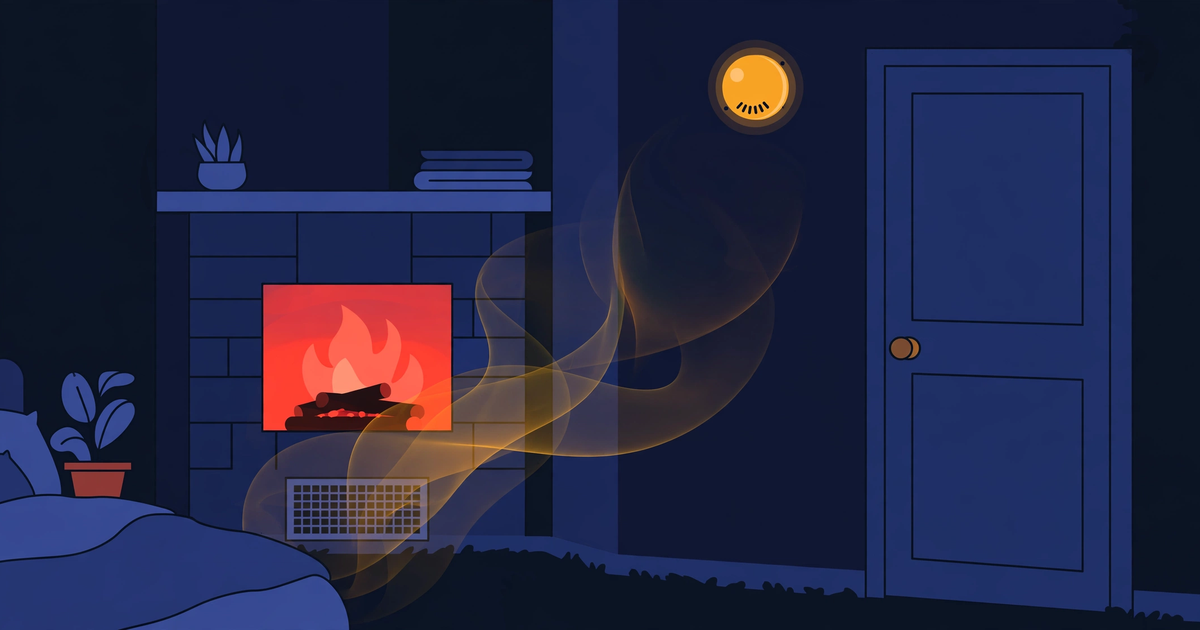
Anything that burns fuel can make carbon monoxide. Inside a home, the usual sources are the heating system, the water heater, a gas stove or oven, a fireplace, and any other gas, oil or coal burning appliance. Outside, the danger is the same gas in a different place: a portable generator, a car running in an attached garage, or charcoal burning where it should never burn.
The gas builds up when fuel burns without enough air, when a vent is blocked, or when exhaust has nowhere to go.
The symptoms feel like flu — and that is the trap
The CDC lists the most common symptoms as headache, dizziness, weakness, upset stomach, vomiting, chest pain and confusion. They are often described as flu-like, and that is exactly what makes them dangerous: they arrive in heating season, which is also flu season, and they feel like an illness you would wait out at home.
There are clues that point to the air, not a virus. The symptoms may come on for several people — or pets — in the same home at the same time, and they may ease outside and return indoors. A headache that fades in fresh air and comes back indoors is telling you something about the air inside. If more than one person feels sick at once, treat it as a possible CO problem and get fresh air first.
The hardest fact in the CDC guidance is this: people who are asleep can die from CO poisoning before they ever notice symptoms. That is why a working alarm matters more than knowing the warning signs. You cannot rely on waking up feeling ill. The alarm has to wake you.
Where should carbon monoxide alarms go at home?
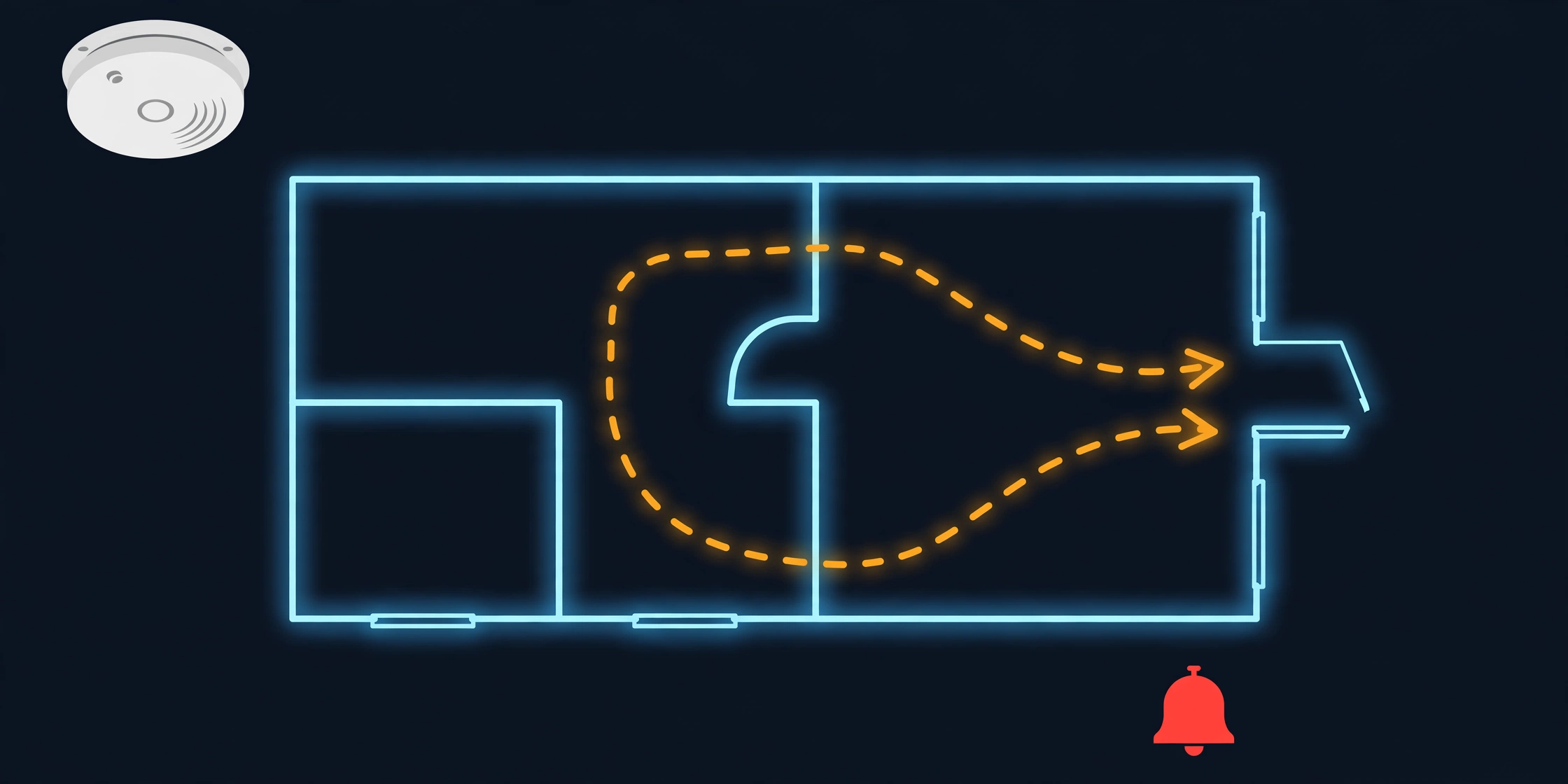
Install battery-operated CO detectors, or plug-in detectors with battery back-up, near every sleeping area. That is the CDC rule, and it decides whether the alarm can wake you at night. The US Consumer Product Safety Commission advises alarms on every level and outside sleeping areas as well, so put one on each level, close enough to the bedrooms to be heard from behind a closed door.
A smoke alarm is not a CO alarm. A smoke alarm does not detect carbon monoxide unless it is labelled as a combination smoke and CO alarm, and a CO alarm does not detect smoke. If your home has smoke alarms and no CO alarm, you are covered for one hazard and not the other. Check what each unit detects, and fit a CO alarm — or a labelled combination unit — where it is missing. Check the batteries when you change the time on your clocks each spring and fall, and replace the whole detector following the manufacturer's instructions, or every five years if no date is given.
The annual service that catches it first
Prevention is not only an alarm. Have your heating system, water heater, and any other gas, oil or coal burning appliances serviced by a qualified technician every year, and heating season is the time to do it. On that visit, the technician checks the burner, the flue and the venting — the places where incomplete burning and blocked exhaust start.
Make sure gas appliances are vented properly, have your chimney checked or cleaned every year — a blocked chimney can cause CO to build up inside — and have a mechanic check your car's exhaust every year.
Generators, charcoal and cars: never indoors
The Red Cross rule on generators is absolute: never use a portable generator indoors. That includes inside a garage, a carport, a basement, a crawlspace, or any other enclosed or partially enclosed area, even with ventilation. Opening doors and windows, or using fans, will not prevent CO build-up. The CO from a generator can rapidly lead to full incapacitation and death, and it cannot be seen or smelled — even if you cannot smell exhaust fumes, you may still be exposed.
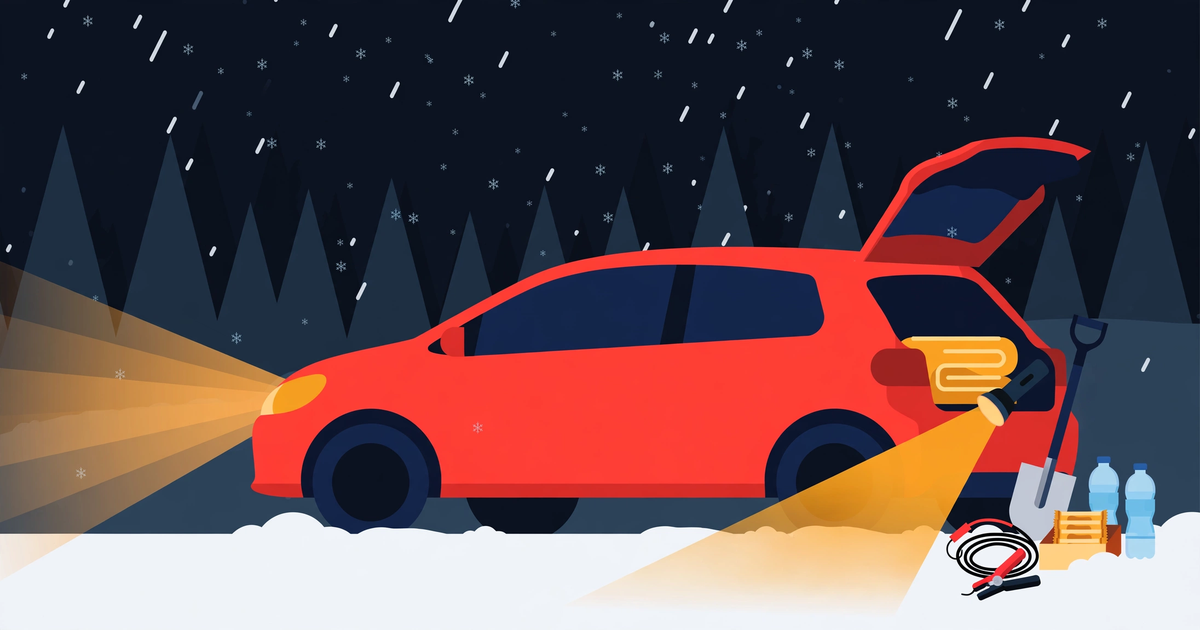
Run a generator outdoors only, more than twenty feet from windows, doors and vents. Never burn charcoal indoors, use a portable gas camp stove indoors, or heat your home with a gas oven. Never run a car in a garage attached to a house, even with the door open. If you feel sick, dizzy or weak while using a generator, get to fresh air immediately.
When the alarm sounds: get out first
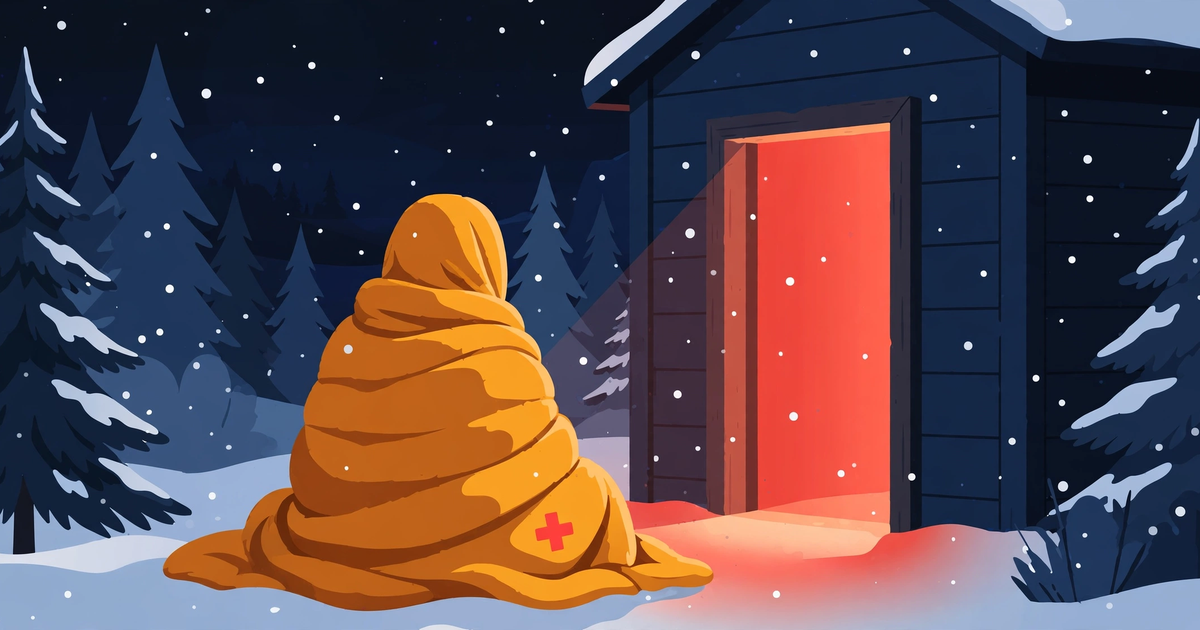
Treat every CO alarm as real until trained responders tell you otherwise. Do not try to find the source, do not open windows first, and do not silence the alarm and go back to sleep. Get everyone out into fresh air right away, including pets and anyone asleep. Call your local emergency number from outside, not from inside, and tell the dispatcher that a carbon monoxide alarm sounded and whether anyone has symptoms. Do not go back inside until responders have tested the air and say it is safe. Before using the appliance again, have a qualified technician find and fix the source. Anyone with symptoms needs medical care — tell the doctor you suspect carbon monoxide, so the right test is run.
What not to do
Do not ignore the alarm, and do not assume it is a false alarm — treat every sounding as real until you are outside and safe. Do not go back inside for people, pets or belongings once you are out. Do not silence the alarm and stay in the house. Do not investigate the furnace, generator or stove before you leave; finding the source is a job for a technician, after the air is safe.
Do not run a generator, grill, camp stove or charcoal burner indoors, in a garage, or in any partially enclosed space, however briefly. Do not warm up a car in an attached garage, heat the house with a gas oven, or leave a CO alarm with dead batteries or past its replacement date. And do not rely on a smoke alarm to warn you about carbon monoxide — check that you have a CO alarm, near every sleeping area, and that it works.
What our records show, and what they miss
Our incident records log the fires, the explosions and the rescues — but almost never whether the home had a working carbon monoxide alarm, or whether the heating system had been serviced that year. The records show the emergency; they miss what decides whether anyone is warned in time.
The short version
- You cannot sense it. Colourless and odourless — the alarm is the only warning most homes get.
- Alarms by every sleeping area. Battery or battery back-up detectors near every sleeping area and on every level; test when the clocks change; replace at five years.
- Flu-like symptoms, together, indoors. Headache, dizziness, weakness, nausea and confusion — easing outside, returning indoors — mean get fresh air now.
- Never burn fuel indoors. No generator, charcoal, camp stove or car in a garage — generators outdoors, twenty feet from windows, doors and vents.
- When the alarm sounds, get out and stay out. Everyone into fresh air, call your local emergency number from outside, and do not go back in until responders say it is safe.