Snow shovelling safely starts before you pick up the shovel
Snow shovelling safely starts with a question most of us never ask: should I be the one doing this at all? According to the American Heart Association, research shows the exertion of shovelling snow may lead to an increased risk of a heart attack or sudden cardiac arrest — and the risk is highest for people who are not used to regular exercise. The Association's 2020 scientific statement lists snow shovelling among the activities that may place extra stress on the heart.
That is not a reason to fear every snowfall. It is a reason to treat clearing the drive the way you would treat a workout: warm up, pace yourself, use the right technique, and stop the moment your body tells you to. The rest of this guide is how.
Why is shovelling snow so hard on the heart?
Three things combine, according to the American Heart Association. First, shovelling is mostly arm work, which is more taxing and demanding on the heart than leg work. Second, while straining to lift a heavy shovelful, you often unconsciously hold your breath, which causes big increases in heart rate and blood pressure. Third, cold air constricts blood vessels throughout the body, raising blood pressure while simultaneously narrowing the coronary arteries — the vessels that feed the heart itself.
Put together, the strain of heavy snow shovelling may be as demanding on the heart as taking a treadmill stress test, according to research cited by the Association. Add wind, which makes the temperature feel colder than it is, and the load climbs further.
Who should not shovel snow at all?
The American Heart Association is blunt about this. If you have known or suspected heart disease or risk factors for heart disease, get someone else to do your snow removal. The impact of snow removal is especially concerning, the Association says, for people who already have cardiovascular risks — a sedentary lifestyle or obesity, being a current or former smoker, having diabetes, high cholesterol or high blood pressure, or having had a heart attack or stroke. People with these characteristics, and those who have had bypass surgery or coronary angioplasty, simply should not be shovelling snow in any conditions.
The National Safety Council adds a simpler version: if you are inactive or have a history of heart trouble, talk to your doctor first — and do not shovel without a doctor's permission. A neighbour, a family member or a local service is the safer tool for some households.
How do you warm up and pace yourself?
Take it slow, says the National Safety Council: shovelling can raise your heart rate and blood pressure dramatically, so stretch out and warm up before taking on the task. Walk around, swing your arms, loosen up — cold muscles strain more easily.
Then work in stages. Shovel fresh snow while it is still light and powdery rather than waiting for it to pack down into the wet, heavy kind. Going out twice for shorter sessions beats one long effort. Take frequent breaks, drink plenty of water — dehydration is a winter issue just like it is in summer — and do not work to the point of exhaustion. Where you can, shovel during the warmest part of the day.
What is the safest shovelling technique?
Push the snow — do not lift it. Both the American Heart Association and the National Safety Council put this first: ideally, push or sweep the snow rather than lifting and throwing it, because pushing involves less exertion and is easier on your back. Plan where the snow will go before you start, so you move each pile once.
When lifting is unavoidable, lift small. Use a small-bladed shovel, or fill a large one only one-fourth to one-half, especially with wet snow. Bend your knees, keep your back straight, and lift with your legs, keeping the load close. Never twist while holding a full shovel, and never throw snow over your shoulder — turn by moving your feet instead. Take deep snow down in layers. Wear slip-resistant soles, and watch for ice under the snow you have just cleared.
What should you wear?
Dress in layers of warm clothing, which trap air between the layers as insulation. The American Heart Association advises covering your mouth and nose, and wearing a hat and gloves; the National Safety Council adds that extremities — nose, ears, hands and feet — need extra attention. Layers also let you adjust, since shovelling generates real heat.
When must you stop and get help?
Stop immediately — mid-shovelful if necessary — for chest pain or pressure, tightness in your chest, lightheadedness, heart palpitations or an irregular heartbeat, or breathlessness that feels wrong for the effort. The American Heart Association's advice is to stop at once and call your local emergency number if symptoms do not subside shortly after you stop shovelling. Do not finish the last strip of driveway first. Symptoms that ease when you stop still deserve medical attention the same day.
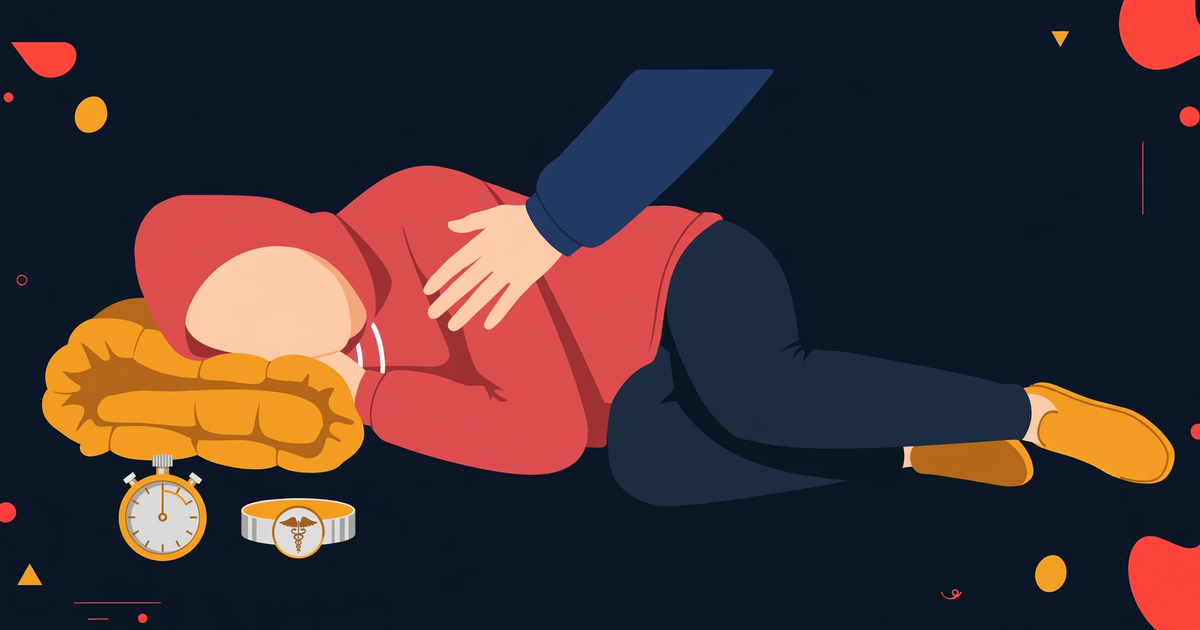
If someone collapses while shovelling, call your local emergency number and start CPR if they are unresponsive and not breathing normally. Keep a phone within reach while you work — in a pocket, not in the house — so help is never a locked door away.
What about snow blowers and snow throwers?
A snow blower does not raise your heart rate quite as high as shovelling, according to the American Heart Association, so it can be the kinder option for larger areas — but it brings its own rules. The National Safety Council's are absolute: never place hands or feet inside the moving parts while the engine is running; if the machine clogs, turn it off and use the clearing tool, never your hands; and never run a gas-powered snow thrower in a closed garage or shed, because it releases carbon monoxide that can build up to dangerous levels.
What our records show, and what they miss
Our incident records will note this winter's snow-clearing emergencies by town and date — a collapse on a driveway, a back injury that needed hospital care. What they cannot show is the far larger number of drives cleared safely: the neighbour who took over for the man with a heart condition, the woman who went out three times for twenty minutes instead of once for an hour. Snow shovelling safely rarely looks dramatic. Most days it looks like someone pacing themselves in a warm hat, and leaving the last strip for after lunch.
The short version
- Snow shovelling safely: treat it as exercise, not a chore — heavy shovelling may strain the heart as much as a treadmill stress test, according to the American Heart Association.
- Known or suspected heart disease or risk factors: get someone else to clear the snow. Inactive or a history of heart trouble: talk to a doctor first.
- Warm up and stretch, start gradually, take breaks, drink water, and shovel fresh snow in stages during the warmest part of the day.
- Push or sweep the snow rather than lifting and throwing it. If you must lift: small shovel or half-filled, knees bent, back straight, legs doing the work, turn with your feet — never twist.
- Dress in layers with a hat, gloves and mouth and nose covered; take extra care when the wind is blowing.
- Stop at once for chest pain or pressure, chest tightness, lightheadedness or palpitations — and call your local emergency number if symptoms do not subside shortly after stopping.